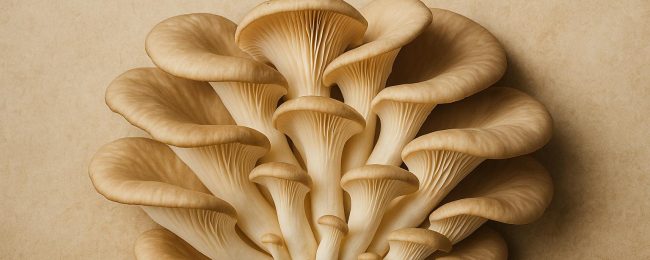
Oyster Mushroom

Introduction to Oyster Mushrooms The oyster mushroom, scientifically known as Pleurotus ostreatus, is an exceptional edible fungus that garners attention for its unique flavor profile and a plethora of health benefits. This mushroom is widespread across temperate and subtropical forests, naturally growing on deceased and decomposing wood, which emphasizes its saprotrophic nature. Here we delve […]

Morel

Understanding Morel Mushrooms Morel mushrooms are a popular choice for foragers and chefs alike. Known for their distinctive appearance and savory flavor, they have carved a niche in both culinary and naturalist circles. Found primarily in the wild, morels are prized for their culinary uses and the elusive nature of their habitat. Identification of Morels […]

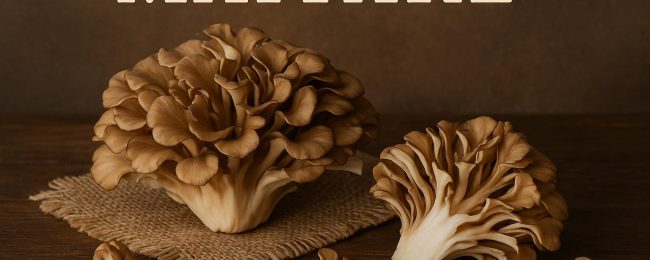
Maitake

Introduction to Maitake The Maitake mushroom, scientifically known as Grifola frondosa, is a fascinating polypore fungus that grows in clustered formations at the base of trees, most commonly oak trees. Often referred to by its popular nickname, “Hen of the Woods,” this mushroom holds significant value both as a culinary delicacy and for its reputed […]

Lion’s Mane

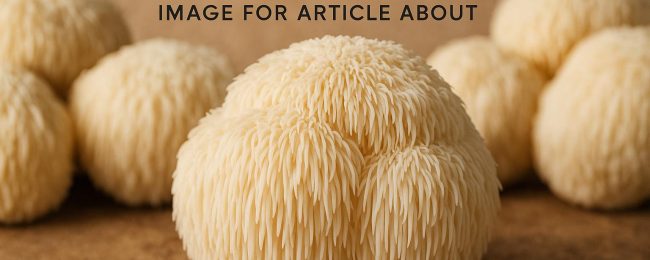
Introduction to Lion’s Mane Lion’s Mane, scientifically known as Hericium erinaceus, is a distinctive mushroom recognized for its cascading icicle-like spines. This edible and medicinal fungus is native to North America, Europe, and Asia, where it thrives on hardwood trees. Lion’s Mane has become notably popular due to its potential health benefits and culinary uses. […]

King Oyster

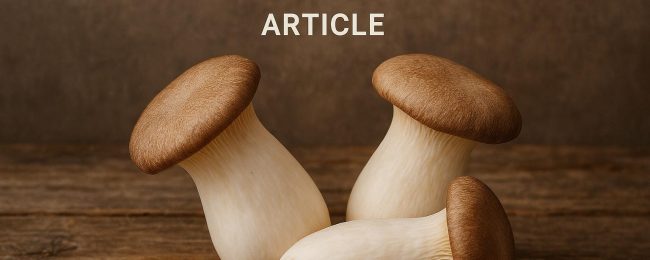
Overview of King Oyster Mushrooms King Oyster mushrooms, scientifically known as Pleurotus eryngii, are a notable variety in the oyster mushroom family. Renowned for their large, thick stems and small, brown caps, they stand out in both appearance and culinary applications. These mushrooms are highly valued for their robust texture and versatile use in various […]

Ganoderma (Reishi)

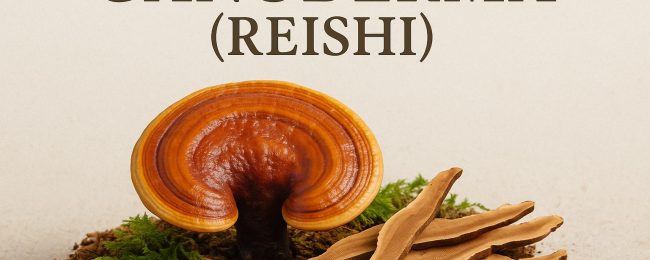
Introduction to Ganoderma (Reishi) Ganoderma, commonly known as Reishi, holds a distinguished place in the realm of traditional medicine, particularly in Asian cultures such as China and Japan. Known scientifically as Ganoderma lucidum, it is often celebrated as the “mushroom of immortality” due to its reputed health benefits. Reishi mushrooms are recognized for their potential […]

Enoki

Introduction to Enoki Mushrooms Enoki mushrooms, scientifically known as *Flammulina velutipes*, have long captivated those interested in East Asian culinary traditions. These distinctively shaped mushrooms are easily identifiable by their elongated, slender, white stems, which culminate in tiny caps at the top. Naturally, they favor the fallen stumps of trees such as the Chinese Hackberry, […]

Cordyceps

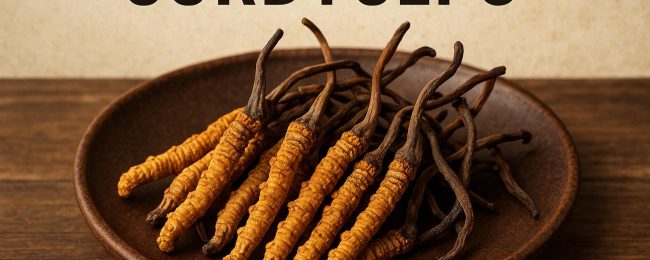
Introduction to Cordyceps Cordyceps is a genus of fungi that comprises over 400 distinct species. These fungi are most notable for their parasitic nature and various bioactive properties. Cordyceps predominantly grow on the larvae of insects, catching attention for their potential health benefits, a cornerstone in traditional medicinal systems, especially within Chinese and Tibetan cultures. […]

Chaga

Introduction to Chaga Chaga, scientifically known as Inonotus obliquus, is a type of fungus primarily found on the bark of birch trees in cold climates. These regions include Northern Europe, Siberia, Russia, and certain areas of North America. This remarkable fungus has a rich history of use within traditional medicine systems, especially in Russia and […]

Agaricus Blazei

Introduction to Agaricus Blazei The Agaricus Blazei mushroom, also known as the “Brazilian mushroom” or “Himematsutake,” is gaining attention in both nutritional and medicinal research communities. Originating from Brazil, this mushroom is now cultivated worldwide due to its purported health benefits. Here, we delve into its nutritional value, possible medicinal properties, and its cultivation process, […]